
Article Plan: Disability Visibility ⎼ Alice Wong PDF
This article explores accessing Alice Wong’s impactful work, “Disability Visibility,” focusing on the demand for a PDF version and navigating legitimate download sources․
It also details Social Security Disability programs (SSDI), the 5-step determination process, and eligibility criteria, alongside resources for further information․
The piece addresses ethical considerations, avoiding scams, and the book’s influence on disability rights and media representation․
Historically, disability has been marginalized, often rendered invisible in mainstream narratives․ This invisibility perpetuates harmful stereotypes, limits opportunities, and hinders genuine inclusion․ Alice Wong’s “Disability Visibility” powerfully challenges this status quo, offering a groundbreaking collection of first-person essays that center the diverse experiences of disabled people․
The book’s significance lies in its ability to dismantle preconceived notions and foster a deeper understanding of disability as a multifaceted aspect of human identity․ It showcases the resilience, creativity, and activism within the disability community, highlighting both the barriers faced and the triumphs achieved․
Increased accessibility to this vital work, including the search for a PDF version, reflects a growing desire for knowledge and a commitment to disability justice․ Understanding the nuances of disability is crucial for building a more equitable and inclusive society for all․ The demand for the PDF underscores the need to break down barriers to information and empower individuals with knowledge․
About Alice Wong and “Disability Visibility”
Alice Wong is a disabled activist, writer, and media maker, widely recognized for her impactful work in the disability rights movement․ She is the founder and director of the Disability Visibility Project, an online community dedicated to amplifying disabled voices and perspectives․ “Disability Visibility: First-Person Stories from the Twenty-first Century”, published in 2020, is her seminal work․

The book is a collection of essays written by a diverse range of disabled individuals, covering a wide spectrum of experiences, identities, and perspectives․ It addresses topics such as ableism, accessibility, healthcare, employment, and the intersectionality of disability with other marginalized identities․
Wong’s curation of these stories provides a powerful and nuanced portrayal of disability, moving beyond stereotypical representations and offering a platform for authentic self-expression․ The book’s popularity has fueled the search for accessible formats like a PDF, demonstrating a desire to share these important narratives widely․
The Core Themes of the Book
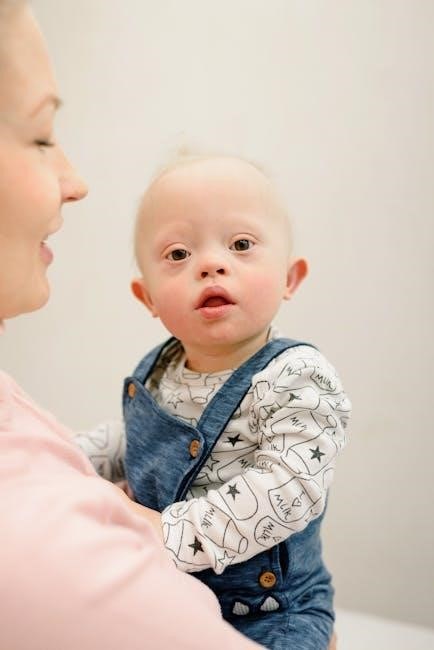
“Disability Visibility” centers around dismantling ableism and challenging societal norms that marginalize disabled people․ A key theme is the importance of representation and the need for diverse narratives that accurately reflect the lived experiences of individuals with disabilities․ The book highlights the intersectionality of disability with race, gender, sexuality, and other identities, demonstrating how these factors shape experiences of oppression and discrimination․
Accessibility is a recurring motif, not just in terms of physical spaces but also in access to information, healthcare, and opportunities․ The collection emphasizes the power of first-person storytelling in fostering empathy and understanding, and in reclaiming agency over one’s own narrative․
Furthermore, the book explores the complexities of navigating a world not designed for disabled bodies and minds, while simultaneously celebrating the resilience, creativity, and joy within the disability community․
Why a PDF Version is Sought After
The demand for a PDF version of “Disability Visibility” stems from accessibility needs․ Digital formats offer crucial benefits for individuals who prefer or require screen readers, text-to-speech software, or adjustable font sizes․ A PDF allows for easier navigation and customization compared to physical books, particularly for those with visual impairments or physical limitations affecting book handling․
Cost is another significant factor; PDFs can sometimes be obtained at a lower price point or through library access, making the book more affordable․ The convenience of having a portable, readily available copy on various devices – tablets, smartphones, computers – is highly valued․
Furthermore, a PDF facilitates easier sharing (within copyright limitations) for educational purposes or within disability support groups, amplifying the book’s reach and impact;
Accessing the “Disability Visibility” PDF
Locating a legitimate PDF of “Disability Visibility” requires careful navigation․ While a free, legally sanctioned PDF isn’t widely available directly from the author or publisher, several avenues exist․ Checking with local libraries is a primary step; many offer ebook and PDF lending services through platforms like Libby or OverDrive;
Reputable ebook retailers, such as Amazon Kindle, Google Play Books, and Kobo, often sell the PDF version of the book․ Educational institutions may provide access to students and faculty through their digital libraries․
Exploring disability-focused organizations’ websites can sometimes reveal links to accessible resources, though direct PDF distribution is rare․ Always prioritize legal and ethical sources to support the author and respect copyright laws․
Legitimate Sources for PDF Download
Identifying trustworthy sources for the “Disability Visibility” PDF is crucial․ Major ebook retailers like Amazon Kindle consistently offer the book in PDF format for purchase, ensuring a legal and high-quality download․ Google Play Books and Kobo are also reliable options, frequently featuring promotional pricing․
University and college libraries, through their digital resource platforms, often provide access to ebooks, including Alice Wong’s work, for enrolled students and staff․ Checking your local public library’s digital lending services (Libby, OverDrive) is another excellent starting point․
Publisher websites (Beacon Press, in this case) sometimes offer direct PDF purchases․ Avoid unofficial websites promising free downloads, as these frequently harbor malware or violate copyright․
Avoiding Scam Websites and Malware
The search for a “Disability Visibility” PDF can unfortunately lead to risky websites․ Sites offering “free” PDF downloads are often laden with malware, viruses, or phishing attempts designed to steal personal information․ Be extremely cautious of websites with excessive pop-up ads, broken links, or unprofessional designs․

Always verify the website’s security by checking for “https” in the URL and a padlock icon in the address bar․ Run a reputable antivirus scan before downloading any file from an unfamiliar source․ Avoid clicking on suspicious links or downloading files from untrusted email attachments․
Prioritize purchasing the PDF from legitimate retailers like Amazon, Google Play Books, or the publisher’s website to guarantee a safe and legal download․ If a deal seems too good to be true, it likely is – protect your digital security․
Copyright and Ethical Considerations
Downloading a PDF of “Disability Visibility” from unauthorized sources raises significant copyright concerns․ Alice Wong and her publisher hold the exclusive rights to distribute this work, and unauthorized downloads constitute copyright infringement․ Supporting authors and publishers financially ensures the continuation of vital disability literature․
Ethically, respecting intellectual property is crucial․ Accessing the book through legitimate channels – purchasing a physical copy or an authorized digital version – demonstrates respect for the author’s labor and creativity․ Sharing illegally obtained PDFs perpetuates copyright violations and undermines the disability rights movement․
Consider the impact on future works; if authors aren’t compensated, they may be less inclined to produce important texts․ Prioritize ethical consumption and support the creation of diverse and representative disability narratives․
Social Security Disability Programs (SSDI & Need-Based)
Understanding Social Security’s disability programs is vital for individuals navigating challenges, a theme resonating with the visibility advocated in Alice Wong’s work․ Social Security offers two distinct programs: Disability Insurance (SSDI), based on work history, and Supplemental Security Income (SSI), a need-based program․

SSDI provides benefits to those who’ve paid into Social Security through employment and now face a disabling condition preventing work․ SSI, conversely, is for individuals with limited income and resources, regardless of work history․ Both programs require meeting strict medical criteria and a rigorous evaluation process․
The 5-step determination process assesses an applicant’s ability to work, considering past work experience and current medical limitations․ Eligibility hinges on demonstrating a disability that prevents substantial gainful activity․ Resources are available to help navigate these complex systems․

The 5-Step Disability Determination Process
Social Security employs a five-step sequential evaluation process to determine disability eligibility, a system crucial for those seeking support – a topic mirroring the advocacy within Alice Wong’s “Disability Visibility․” Step one assesses whether the claimant is currently working; if so, the claim is often denied․
Step two examines the severity of the impairment, requiring it to significantly limit abilities․ Step three checks if the condition meets or equals a listed impairment․ Steps four and five focus on the claimant’s past work and whether they can perform any other type of work․
This process requires detailed medical evidence and a thorough understanding of the applicant’s work history․ Understanding these steps is empowering, allowing individuals to prepare effectively and advocate for their needs, aligning with the visibility principles championed by Wong․
Past Work & Ability to Perform Job Duties

Determining disability often hinges on evaluating past relevant work (PRW) and assessing if the claimant can still perform those duties․ Social Security meticulously analyzes the physical and mental demands of previous jobs, a process echoing the detailed personal narratives found in Alice Wong’s “Disability Visibility․”
They consider factors like lifting, standing, sitting, and cognitive requirements․ If PRW cannot be performed, the agency then assesses the ability to adjust to other work․ This involves considering transferable skills and whether suitable alternative employment exists․
The focus isn’t simply on whether any work can be done, but whether the claimant can perform substantial gainful activity․ Understanding this process is vital, and resources like Wong’s book highlight the diverse experiences shaping an individual’s work capacity․

Eligibility Criteria for Disability Benefits
To qualify for Social Security Disability Insurance (SSDI), applicants must have a work history where they’ve paid Social Security taxes․ This contrasts with needs-based programs, emphasizing the earned benefit aspect․ Crucially, a medically determinable physical or mental impairment must prevent substantial gainful activity․
The impairment must last at least 12 months or be expected to result in death․ Social Security utilizes a “Listing of Impairments,” detailing conditions considered severe enough for automatic approval․ However, not meeting a listing doesn’t automatically disqualify an applicant․

The 5-step sequential evaluation process determines eligibility, mirroring the nuanced understanding of disability presented in Alice Wong’s “Disability Visibility․” Understanding these criteria is essential for navigating the application process effectively․
Disability Representation in Media
Alice Wong’s “Disability Visibility” powerfully highlights the historical underrepresentation and often harmful stereotypes surrounding disability in media․ The book’s collection of first-person narratives directly challenges the dominant, often ableist, portrayals․ Historically, disabled individuals have been either absent or depicted as objects of pity, inspiration, or villainy․
This lack of authentic representation perpetuates misconceptions and reinforces societal barriers․ Wong’s work advocates for diverse and nuanced portrayals, showcasing the full spectrum of disabled experiences․ The demand for resources like a PDF of “Disability Visibility” reflects a growing desire for accessible information․
Increased visibility in media is crucial for fostering understanding, challenging prejudice, and promoting inclusion․ Authentic representation empowers disabled individuals and contributes to a more equitable society․
Visible vs․ Invisible Disabilities
“Disability Visibility” by Alice Wong expertly addresses the crucial distinction – and often blurred lines – between visible and invisible disabilities․ While some disabilities are immediately apparent, many others, such as chronic pain, mental health conditions, and autoimmune diseases, are not․ This invisibility can lead to skepticism, disbelief, and a lack of accommodation․
Wong’s collection of essays emphasizes that disability is not defined by outward appearance․ The book challenges the assumption that a disability must be visually recognizable to be valid․ The accessibility of a PDF version of “Disability Visibility” is particularly important for individuals with visual impairments or those who prefer digital formats․
Raising awareness about invisible disabilities is vital for fostering empathy and creating a more inclusive environment․ Understanding that disability exists on a spectrum is key to dismantling harmful stereotypes․
The Role of First-Person Narratives
“Disability Visibility,” compiled by Alice Wong, powerfully demonstrates the importance of first-person narratives in shaping understanding and challenging societal perceptions of disability․ The book’s strength lies in its diverse collection of essays, each offering a unique and personal perspective on lived experience․ Accessing the PDF version allows wider dissemination of these crucial voices․
Traditionally, disabled individuals have been spoken about rather than given the opportunity to speak for themselves․ Wong’s work actively disrupts this pattern, centering the voices of people with disabilities․ These narratives dismantle stereotypes, reveal systemic barriers, and highlight the richness and complexity of disabled life․
The PDF format facilitates accessibility, enabling individuals to engage with these stories regardless of physical limitations or geographical location․ First-person accounts foster empathy and promote genuine inclusion․

Impact of “Disability Visibility” on the Disability Rights Movement
Alice Wong’s “Disability Visibility” has significantly impacted the disability rights movement by amplifying marginalized voices and fostering a broader understanding of disability issues․ The book’s collection of first-person essays has become a cornerstone resource for activists, educators, and anyone seeking to learn more about lived experiences․ Access to the PDF version expands this reach exponentially․
Prior to its publication, disability narratives were often absent or misrepresented in mainstream media․ “Disability Visibility” challenged this erasure, providing a platform for diverse perspectives and promoting intersectionality within the movement․ The book has spurred conversations about accessibility, inclusion, and systemic change․
Its influence extends to policy advocacy, educational initiatives, and cultural representation․ The PDF’s availability ensures continued engagement and empowers individuals to advocate for their rights․
Related Disability Resources & Ebooks
Beyond Alice Wong’s “Disability Visibility,” a wealth of resources and ebooks explore disability culture, rights, and experiences․ Numerous online platforms offer valuable information, advocacy tools, and community support․ Seeking the PDF of “Disability Visibility” often leads to discovering these interconnected resources․
Relevant ebooks include works focusing on disability studies, accessibility, and inclusive design․ Organizations like the National Disability Rights Network and the American Association of People with Disabilities provide comprehensive guides and legal assistance․ These resources cover topics ranging from employment rights to accessible technology․
Further exploration reveals materials on specific disabilities, assistive devices, and navigating social security benefits․ The availability of digital formats, like PDFs, enhances accessibility for individuals with diverse learning needs, fostering greater participation and empowerment within the disability community․
Where to Find Further Information on Disability Rights
Expanding beyond “Disability Visibility,” numerous organizations champion disability rights and offer extensive resources․ The U․S․ Department of Justice provides information on the Americans with Disabilities Act (ADA) and related legislation․ The Disability Rights Education & Defense Fund (DREDF) offers legal advocacy and educational materials․
For Social Security related inquiries, the Social Security Administration (SSA) website is crucial, detailing SSDI and need-based programs․ National organizations like the National Council on Disability (NCD) offer policy analysis and recommendations․ State Protection & Advocacy (P&A) agencies provide individualized assistance․
Online platforms and advocacy groups frequently host webinars, workshops, and publications on disability rights․ Exploring these avenues empowers individuals to understand their rights, navigate challenges, and actively participate in the disability rights movement, building upon the visibility raised by works like Alice Wong’s․