
Overview of 1 Chronicles Study Guide PDF
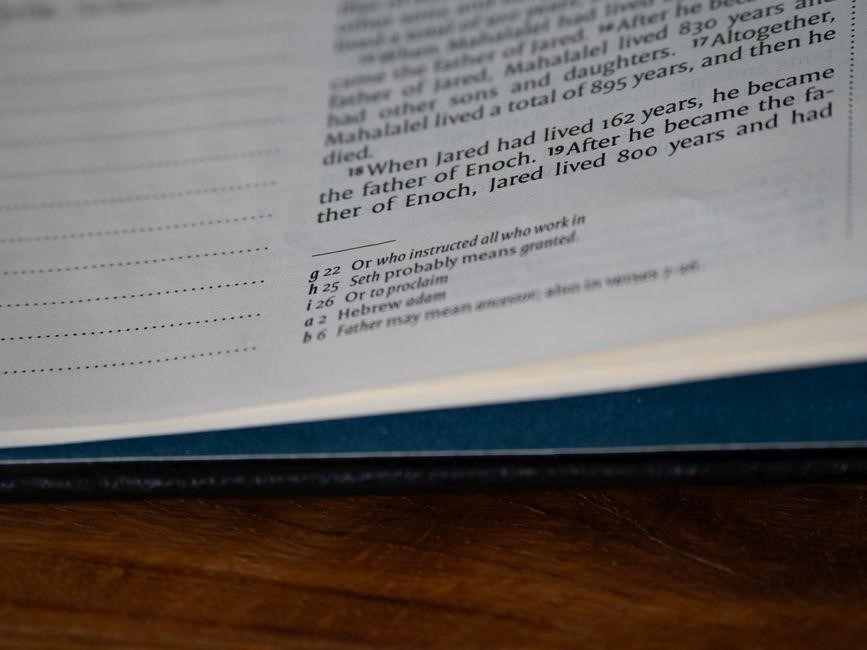
1 Chronicles Study Guide PDF offers a concise, structured overview of Israel’s history, genealogies, and temple practices․ It includes downloadable notes, cross‑references, and reflection prompts, making it ideal for students, pastors, and personal devotion․ Download for free or buy premium for extra tools․
Purpose and Target Audience
The 1 Chronicles Study Guide PDF is designed to serve a broad spectrum of readers who seek a deeper, more structured engagement with the first book of Chronicles․ Its primary purpose is to distill the dense historical narrative, extensive genealogical lists, and detailed descriptions of temple worship into a format that is both accessible and academically rigorous․ The guide is ideal for undergraduate theology students preparing for coursework or exams, providing concise chapter summaries, key thematic highlights, and critical questions that encourage analytical thinking․ Pastors and ministry leaders can use it as a resource for sermon preparation, offering ready‑made cross‑references and reflective prompts that help congregations grasp the covenantal themes of prayer, repentance, and loyalty․ Scholars and researchers benefit from the inclusion of scholarly annotations and links to related Old Testament passages, allowing for comparative study․ Additionally, lay readers and personal devotionists find the PDF useful for self‑study, as it offers clear, bite‑size sections that can be read in short sessions, along with downloadable notes that reinforce learning․ Whether accessed for free or through a paid version that includes supplementary study tools, the guide caters to anyone who values a comprehensive, well‑organized approach to biblical study․ This guide also integrates interactivefeatures such as clickablegenealogical charts, audiorecitations of keypassages, andprintableworksheets thatreinforce memory retention, making it a versatile resource for both individual study and group discussion settings!!!
Format and Navigation Features
The 1 Chronicles Study Guide PDF is engineered for seamless exploration, combining a clean, reader‑friendly layout with a suite of interactive navigation tools․ At the front of the document is a detailed table of contents that lists every chapter, section, and key theme, each linked to its exact page number․ Users can click on any entry to jump instantly to the desired location, eliminating the need to scroll manually through dense text․ The PDF also incorporates a robust bookmarking system: as you read, you can add bookmarks to important passages, genealogical charts, or cross‑references, and later retrieve them with a single click․ Search functionality is built in, allowing you to find specific verses, names, or theological terms across the entire guide in seconds․ For those who prefer a tactile study experience, the guide offers printable worksheets and study notes that can be printed on standard 8․5×11 paper, ensuring that offline review remains as effective as online․ A dedicated “Glossary” section provides quick definitions of Hebrew terms and historical references, and a “Key Themes” sidebar summarizes recurring motifs such as temple worship, covenant fidelity, and royal lineage․ All these features work together to create an intuitive, user‑friendly study environment that supports both casual reading and in‑depth academic research․ See PDF now!!ok!

Core Content Covered
1 Chronicles Study Guide PDF covers Israel’s lineage, temple rituals, and key events from Adam to David․ It includes detailed genealogies, narrative summaries, and thematic insights on worship, covenant faith, and royal succession, all organized for easy study․ It contains cross‑references and study prompts!!!

1 Chronicles presents a sweeping, chronologically organized account of Israel’s history, beginning with the creation narrative and extending through the reigns of David and Solomon․ The text emphasizes the continuity of God’s covenant, tracing a lineage that links Adam, Noah, Abraham, and the patriarchs to the royal house of David․ It highlights the establishment of the monarchy, the unification of the tribes, and the building of the First Temple, underscoring the centrality of worship and priestly duties․ The narrative also records the exile, return, and restoration under the leadership of key figures such as Zerubbabel, Ezra, and Nehemiah, illustrating how faith and obedience shape national destiny․ Scholars note the meticulous genealogical tables that serve both theological and historical purposes, reinforcing the legitimacy of David’s dynasty and the priestly line․ The book’s structure, with its emphasis on temple worship, covenant fidelity, and repentance, provides a framework for understanding Israel’s identity as a chosen people․ The 1 Chronicles Study Guide PDF distills these themes into concise summaries, cross‑references, and study questions, enabling readers to engage deeply with the text while appreciating its literary and theological coherence․ By focusing on the historical narrative, the guide invites readers to explore the interplay between divine providence and human agency, offering insights that are relevant for contemporary faith practice and scholarly inquiry alike․
In addition, the guide highlights the strategic alliances, military campaigns, and administrative reforms that shaped Israel’s political landscape․ It examines the role of prophets, judges, and civic leaders in guiding the nation toward covenant fidelity․ This comprehensive perspective equips readers to contextualize biblical events within broader historical frameworks!!
Genealogical Charts and Lineage
1 Chronicles is renowned for its meticulous genealogical tables, which serve as a theological anchor and a historical record․ The book opens with a concise lineage from Adam through the patriarchs, establishing a divine narrative that culminates in the Davidic line․ These charts are not merely lists; they are carefully constructed frameworks that emphasize continuity, covenant fidelity, and the legitimacy of Israel’s monarchy․ By tracing the ancestry of key figures—such as David, Solomon, and the priests—1 Chronicles underscores the importance of hereditary stewardship in maintaining worship practices and national identity․ The tables also highlight the interweaving of tribal and royal genealogies, illustrating how the tribes of Israel were united under a single covenantal promise․ Scholars note that the chronicler’s emphasis on lineage reflects a deliberate theological agenda: to remind readers that God’s promises are fulfilled through a specific, divinely ordained line of leaders․ Moreover, the genealogies provide a counterpoint to the narrative of the earlier books, presenting a more orderly and hopeful vision of Israel’s past․ The inclusion of detailed family trees also serves a practical purpose for the community, offering a reference for inheritance, priestly duties․ In the study guide PDF, these charts are reproduced with clear formatting, accompanied by explanatory notes that help readers navigate the complex relationships among figures․ The guide encourages users to compare the genealogical data with other biblical sources, fostering a deeper understanding of how lineage shapes theological themes such as covenant, faith, and divine sovereignty․ By engaging with these charts, readers gain insight into the chronicler’s intent to portray a unified, divinely guided nation, and to inspire contemporary believers to recognize the enduring significance of lineage in the faith tradition․

Key Thematic Highlights
1 Chronicles emphasizes temple worship, priestly duties, and covenant fidelity․ The study guide highlights how the chronicler links worship practices to national identity, stressing prayer, repentance, and loyalty to God’s covenant as central themes for believers today․ It guides readers worship today daily

Temple Worship and Priestly Duties
In the 1 Chronicles Study Guide PDF, the temple’s centrality is highlighted through detailed accounts of worship rituals, sacrificial offerings, and the roles of priests and Levites․ The guide presents a clear chronology of the temple’s construction, the allocation of sacred spaces, and the daily service schedules that underscore the covenantal relationship between Israel and God․ It includes concise summaries of key passages—such as the dedication of Solomon’s temple (1 Chronicles 6:1‑45) and the reforms of King Hezekiah (1 Chronicles 29:1‑21)—and explains how these events reinforce themes of fidelity, repentance, and communal responsibility․ The study notes also point out the significance of the tabernacle’s furnishings, the altar of incense, and the bronze basin, connecting them to the broader narrative of Israel’s worship practices․ For each priestly duty, the guide lists the required qualifications, the order of service, and the symbolic meanings behind each act․ It also offers reflective questions that invite readers to consider how the ancient rituals inform contemporary worship and how the priesthood’s dedication can inspire modern believers to uphold holiness and service․ By integrating cross‑references to related Old Testament books, the PDF provides a comprehensive resource for scholars, pastors, and students seeking to deepen their understanding of temple worship and priestly responsibilities within the biblical context․ Readers are encouraged to apply these lessons in prayer and community worship daily!
Prayer, Repentance, and Covenant Loyalty
In the 1 Chronicles Study Guide PDF, prayer is portrayed as a living dialogue between God and His people, with passages like 1 Chronicles 9:1‑10 illustrating heartfelt supplications that seek divine guidance․ The guide explains how repentance is more than confession; it is a deliberate turning back to God’s covenant, as seen in 1 Chronicles 13:1‑13 where the nation acknowledges sin and seeks restoration․ Covenant loyalty is shown through the king’s reforms and the priestly service, emphasizing that faithfulness to God’s promises sustains the nation’s identity․ Reflective questions prompt readers to evaluate personal devotion, asking whether they truly listen to God’s voice or merely perform rituals․ By linking these themes to other Old Testament books, the PDF encourages a holistic approach, urging believers to live out the covenantal call in everyday actions and community worship․ The guide also highlights the significance of the priestly garments and the daily sacrifices, noting how each act of worship was meant to reinforce the covenantal bond between God and Israel, and how these practices served as a continual reminder of divine grace and human responsibility․ Moreover, the PDF includes a series of practical exercises that encourage readers to apply the lessons of 1 Chronicles in modern worship settings, such as creating a personal prayer journal, organizing community service projects, or leading a small group study to discuss covenantal themes in contemporary life․ The PDF also offers a downloadable worksheet that guides readers through a step‑by‑step reflection on how the themes of 1 Chronicles—such as covenant fidelity, temple worship, and the role of the priesthood—can be applied to personal faith journeys, community outreach, and leadership development in today’s church context․ A concise summary is also available for quick study reference for daily use now․

Study Tools and Resources
1 Chronicles Study Guide PDF offers interactive study questions, reflection prompts, cross‑references, and downloadable charts․ Users can annotate PDFs, track progress, and share insights via integrated discussion forums, enhancing group study and personal growth․ Learn more
Study Questions and Reflection Prompts
Explore 1 Chronicles with targeted questions that deepen understanding of Israel’s history, lineage, and worship․ Each chapter features open‑ended prompts encouraging personal application, critical thinking, and group discussion․ Below are sample questions, organized by thematic sections, designed to guide readers through the text while fostering reflection on faith, leadership, and covenant loyalty․

- Historical Narrative: How does the chronicler’s presentation of David’s reign influence your view of divine sovereignty?
- Genealogies: What can the detailed lineages teach about identity and continuity in your own life?
- Temple Worship: In what ways does the emphasis on the altar shape your understanding of worship today?
- Prayer & Repentance: Identify moments where prayer leads to transformation; how can you apply this model?
- Covenant Loyalty: Reflect on the covenant promises; how do they inform your commitment to God?
- Leadership Lessons: What leadership qualities are highlighted, and how can they inform your own leadership?
- Community Impact: How does the chronicler illustrate the impact of community decisions on national destiny?
Use these prompts to create study groups, journal entries, or sermon outlines․ The PDF also offers space for personal notes, allowing readers to record insights, questions, and prayer requests directly alongside the text․ By engaging with these questions, readers can move beyond surface reading to a transformative encounter with the Scriptures․ These tools support individual and corporate study, enabling deeper engagement with the text and fostering spiritual growth across all ages․ Use them to spark meaningful conversations and personal transformation․ They also help prepare sermons and study sessions․ Invite others to join your study journey․ Reflect weekly for lasting impact․ Stay committed! Keep learning․
Cross-References with Other Old Testament Books
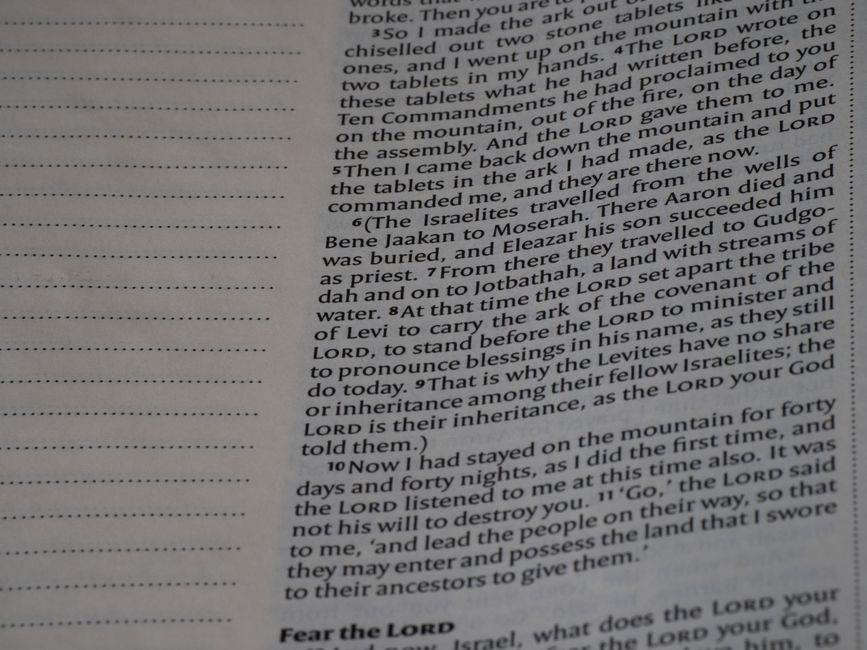
1 Chronicles interweaves its narrative with key passages from the broader Old Testament, offering readers a richer contextual tapestry․ The opening genealogies echo Genesis 5–11, tracing the lineage from Adam to Noah, while the detailed account of David’s ancestry parallels the genealogical lists in Genesis 46 and 1 Samuel 1․ The chronicler’s emphasis on temple worship echoes Exodus 25–31, where the tabernacle’s furnishings are first described, and it mirrors Leviticus 9–10’s instructions for priestly service․ The repeated calls for repentance and covenant fidelity resonate with the prophetic calls in Isaiah 1–5, where God’s covenantal promises are reiterated․ The narrative of the return from exile, highlighted in 2 Chronicles, is closely linked to the prophetic exhortations in Jeremiah 29 and the restoration themes in Ezekiel 37․ Finally, the chronicler’s focus on David’s role as a unifier reflects the themes in 1 Kings 2–4, where David’s legacy is examined in the context of Israel’s political history․ These cross‑references not only deepen the reader’s understanding of 1 Chronicles but also illuminate the continuity of Scripture’s message across the canon․ In addition, the chronicler’s detailed descriptions of sacrifices mirror Leviticus 1–7, while the emphasis on covenant renewal echoes the covenantal promises in Exodus 24 and the covenant of Abraham in Genesis 15․ The chronicler’s use of the phrase “house of the Lord” (1 Chronicles 29:1) connects to the prophetic vision in Isaiah 2:2–4, underscoring the centrality of God’s presence in the community․

Accessibility and Distribution
Download Options and Device Compatibility
The 1 Chronicles Study Guide PDF can be obtained from several trusted sources․ The official biblical study portal offers a direct download link that delivers a compressed ZIP file containing the PDF, a searchable text file, and a set of high‑resolution images for each chapter․ Users can also find the guide on popular e‑book platforms such as Amazon Kindle, Google Play Books, and Apple Books, where it is available in PDF, EPUB, and MOBI formats․ For those who prefer a DRM‑free experience, the guide is freely downloadable from the non‑profit ministry repository, which hosts a plain PDF that opens in any standard reader․ The PDF is fully responsive and scales correctly on iOS, Android, Windows, and macOS devices․ It is compatible with Adobe Acrobat Reader, Foxit Reader, SumatraPDF, and the built‑in Preview app on macOS․ Mobile users can open the file in the iBooks app or the Google PDF Viewer, and the document can be converted to EPUB or MOBI using Calibre for a more fluid reading experience on e‑ink displays․ The file size is approximately 3․2 MB, making it lightweight for quick downloads over cellular data or Wi‑Fi․ Additionally, the guide is available in a reduced‑resolution version for low‑bandwidth environments, ensuring that learners worldwide can access the material without interruption․ For institutional use, the ministry offers a bulk‑download license that allows multiple copies to be distributed within a school or church setting, with an optional watermark for copyright protection․ All download links are secured with HTTPS, and the PDF includes a checksum for integrity verification․ Users can also request a printed hard copy through the ministry’s partner printing service, which ships worldwide with standard shipping options․ The guide also includes a companion audio narration in multiple languages, a printable study worksheet, and a QR code linking to an interactive timeline․ Users can bookmark key verses, annotate directly in the PDF, and share insights via social media or email․ This comprehensive approach ensures that learners of all ages and backgrounds can engage deeply with the text, fostering both academic understanding and spiritual growth․
Usage Licenses and Free vs․ Paid Versions
The 1 Chronicles Study Guide PDF is distributed under a dual‑licensing model that balances accessibility with sustainable development․ The free version is released under a Creative Commons BY‑SA license, allowing anyone to download, share, and adapt the material provided the original authors are credited and derivative works are shared under the same terms․ This version includes core study notes, chapter summaries, and a basic set of cross‑references, all rendered in a clean, print‑ready PDF․ Users who require advanced features—such as interactive quizzes, downloadable flashcards, a searchable database of genealogical tables, and an audio commentary in multiple languages—can opt for the paid edition․ The paid license is a commercial, non‑exclusive agreement that grants a perpetual, worldwide right to use the guide in any format, including print, digital, and embedded in learning management systems․ Purchasers receive a unique license key that unlocks the full content bundle, and they are entitled to one year of technical support and updates․ The paid edition also offers a bulk‑license option for educational institutions, allowing multiple concurrent users while keeping the cost per seat low․ Both versions are protected by digital rights management that prevents unauthorized copying, but the free version remains fully accessible on all major platforms without DRM software․ This framework supports both academic and devotional use for all readers․ For more details, visit the official download portal where the license agreements are displayed in full text, and consult the FAQ section for common questions about usage rights and renewal procedures․ Enjoy