Overview of Dr. Greger’s Daily Dozen
Dr. Greger’s Daily Dozen‚ featured in the 2026 edition of How Not to Die‚ is a 12‑item plant‑based checklist available as a free PDF on nutritionfacts.org. It lists fruits‚ veggies‚ beans‚ nuts‚ whole grains‚ spices‚ olive oil and more‚ with serving sizes and science behind each choice. daily.!
How the Daily Dozen Supports Health
Dr. Greger’s Daily Dozen PDF outlines a science‑backed‚ plant‑based framework that aligns with evidence from the 2026 revised edition of How Not to Die. Each of the 12 categories—fruits‚ vegetables‚ whole grains‚ beans‚ nuts‚ seeds‚ spices‚ olive oil and others—provides specific serving recommendations that collectively deliver a spectrum of micronutrients‚ fiber‚ antioxidants‚ and phytochemicals. The cumulative intake targets 25–30 g of fiber‚ 5–7 g of omega‑3 fatty acids‚ and 100 mg of vitamin C per day‚ all of which have been linked to reduced cardiovascular risk‚ improved glycemic control‚ and lower incidence of certain cancers. By emphasizing plant proteins from beans‚ nuts‚ and seeds‚ the PDF addresses protein adequacy while keeping saturated fat below 5 % of total calories‚ a threshold associated with lower LDL cholesterol. The inclusion of spices such as turmeric and cinnamon introduces anti‑inflammatory compounds like curcumin and cinnamaldehyde‚ which epidemiological studies show can mitigate chronic inflammation markers. Olive oil‚ a key component‚ supplies monounsaturated fats that improve endothelial function and protect against atherosclerosis. The structured daily checklist also serves as a behavioral tool: consistent adherence to the 12 items has been correlated with higher diet quality scores in longitudinal cohorts‚ translating into measurable health benefits over time. Overall‚ the PDF offers a practical roadmap for individuals seeking to optimize nutrition and reduce chronic disease risk a plant‑centric.
Components of the Daily Dozen
Dr. Greger’s PDF lists 12 plant‑based items: fruits‚ vegetables‚ whole grains‚ beans‚ nuts & seeds‚ spices‚ olive oil‚ and more. Each category has a daily serving goal‚ ensuring balanced fiber‚ protein‚ vitamins and healthy fats. It also encourages hydration!!!
Fruits
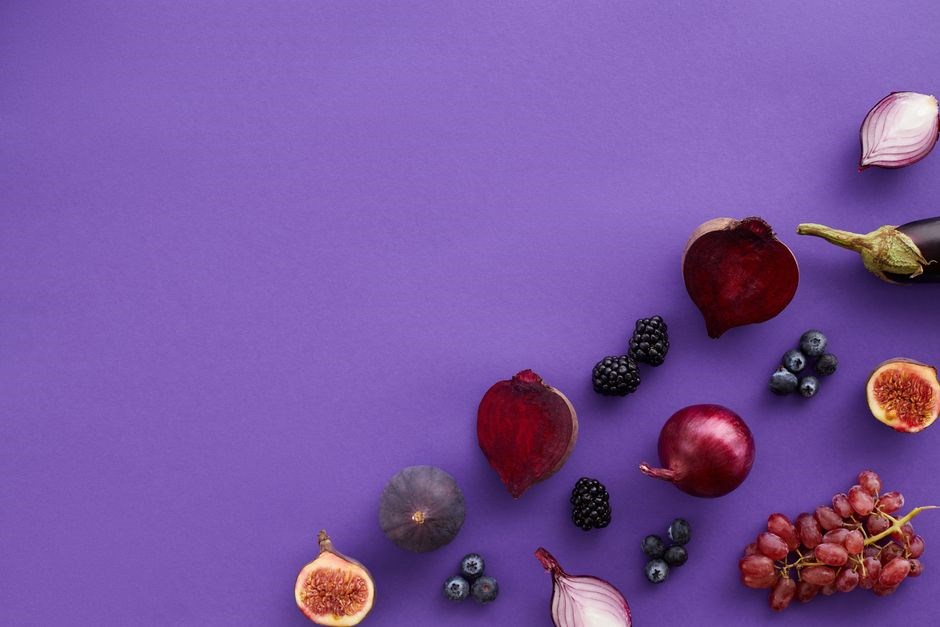
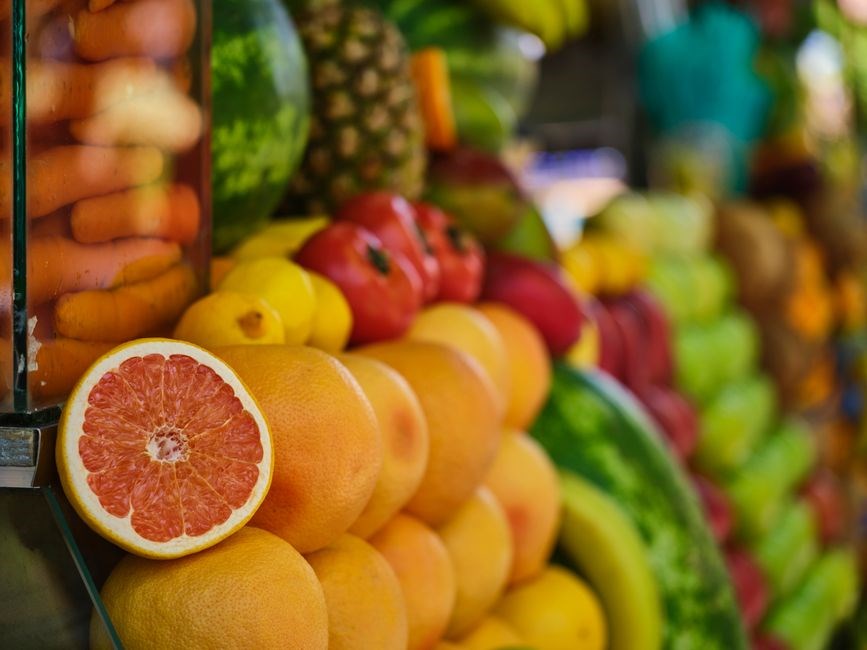
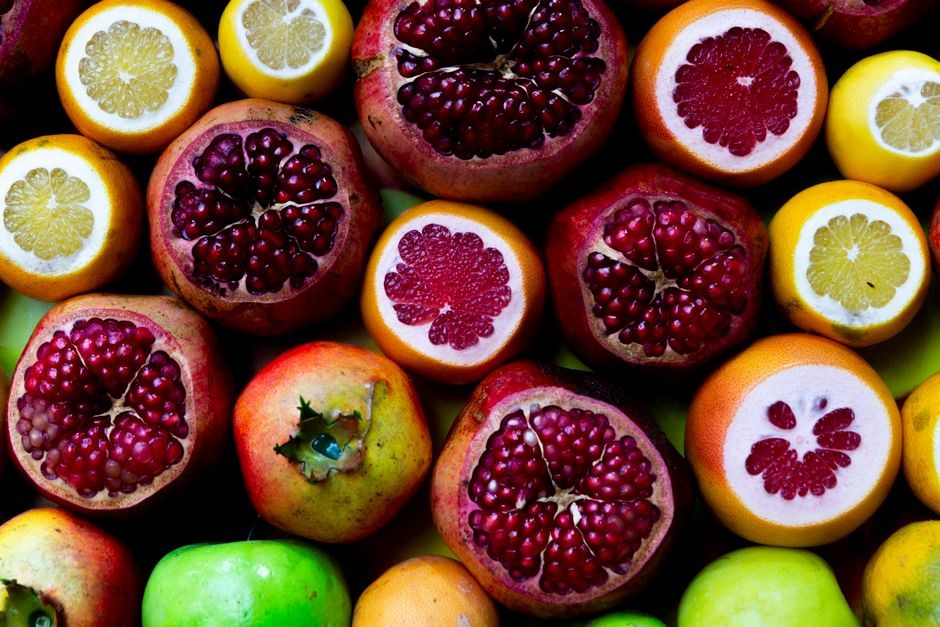
In the Daily Dozen PDF‚ fruits are the first category‚ with a recommended serving of at least one cup per day. The guide emphasizes whole‚ minimally processed options such as apples‚ bananas‚ berries‚ citrus‚ and stone fruits. Each fruit contributes essential vitamins—particularly vitamin C and folate—alongside antioxidants like anthocyanins and flavonoids that help reduce oxidative stress. The PDF also highlights the importance of variety‚ noting that different colors correspond to distinct phytonutrient profiles. For example‚ red and purple fruits contain resveratrol‚ while orange varieties are rich in beta‑carotene. The document advises pairing fruit with a protein source‚ such as a handful of nuts‚ to improve satiety and stabilize blood sugar. It also cautions against excessive fruit juice consumption‚ recommending whole fruit for maximum fiber intake. Finally‚ the PDF provides a quick reference table listing common fruits‚ their typical serving sizes‚ and key nutrients‚ enabling readers to track compliance easily during the week. Readers are encouraged to experiment with seasonal fruits‚ as availability can influence nutrient diversity and cost. Seasonal choices often provide fresher‚ more flavorful options‚ boosting adherence to the Daily Dozen. Additionally‚ integrating fruit smoothies into a balanced meal plan can help meet the daily goal‚ especially for those with limited appetite or busy schedules. Consistently meeting the fruit target boosts immunity‚ supports gut flora‚ and lowers chronic disease risk‚ reinforcing the Daily Dozen’s preventive health mission.
Vegetables
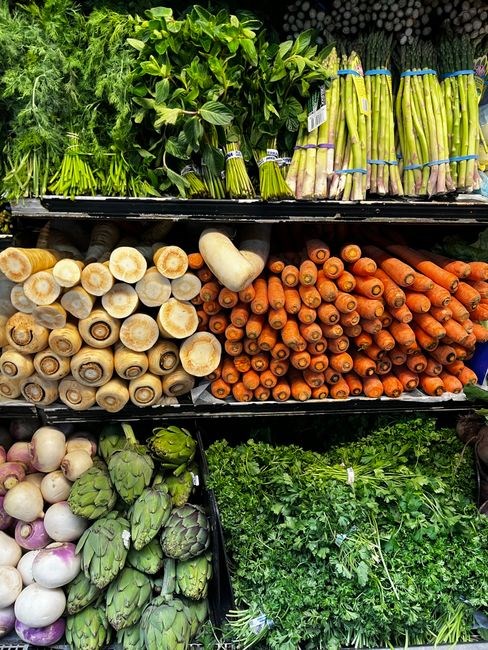
In the Daily Dozen PDF‚ vegetables are the second pillar‚ urging a minimum of two cups daily. The guide stresses leafy greens‚ cruciferous varieties‚ root crops‚ and legumes‚ each offering a spectrum of micronutrients—folate‚ vitamin K‚ beta‑carotene‚ and soluble fiber. Whole‚ unprocessed options such as spinach‚ kale‚ broccoli‚ carrots‚ bell peppers‚ and peas are highlighted for their high phytochemical content‚ which combats inflammation and supports cardiovascular health. The PDF recommends a “rainbow” approach‚ encouraging consumption of at least three different colors to maximize antioxidant diversity. It also notes that cooking methods influence nutrient retention; steaming preserves water‑soluble vitamins‚ while sautéing can enhance fat‑soluble vitamin absorption when paired with a small amount of olive oil. Portion guidance is provided: a cup of raw leafy greens‚ a half‑cup of cooked non‑leafy vegetables‚ and a full cup of cooked legumes. The document includes a quick‑reference table listing common vegetables‚ their typical serving sizes‚ and key nutrients‚ enabling readers to track compliance. Seasonal availability is emphasized‚ with suggestions for locally grown produce to reduce cost and increase freshness. The PDF also addresses common barriers‚ such as time constraints‚ by offering prep tips—batch‑cooking‚ freezing‚ and using pre‑washed greens—to streamline daily intake. Finally‚ the guide links vegetable consumption to reduced risk of chronic diseases‚ including diabetes‚ hypertension‚ a
Berries
In the Daily Dozen PDF‚ berries are the third essential group‚ recommended at least one cup daily. The document emphasizes blueberries‚ strawberries‚ raspberries‚ and blackberries for their high anthocyanin content‚ which supports vascular health and cognitive function. A single cup of mixed berries delivers roughly 80 calories‚ 2 grams of fiber‚ and a spectrum of vitamins C and K‚ along with manganese. The PDF provides a quick‑reference chart that lists common berries‚ their typical serving sizes‚ and key nutrients‚ enabling readers to track compliance. It also highlights the benefits of seasonal‚ locally grown options‚ which tend to have higher phytochemical concentrations and lower pesticide residues. The guide advises consuming berries raw or lightly cooked to preserve heat‑labile antioxidants. It offers practical prep tips: wash thoroughly‚ remove stems‚ and store in airtight containers to extend shelf life. The PDF also addresses common misconceptions‚ such as the belief that all fruits are equally beneficial; it explains that berries have a lower glycemic index compared to other fruits‚ making them suitable for blood‑sugar management. Additionally‚ the PDF recommends pairing berries with a source of healthy fat‚ such as a tablespoon of chia seeds or a drizzle of extra‑virgin olive oil‚ to enhance the absorption of fat‑soluble vitamins and antioxidants. The guide cites a 2024 randomized controlled trial that found that participants who incorporated berries into their daily diet experienced a 12% reduction in markers of oxidative stress compared to a control group. For those who prefer convenience‚ the PDF suggests frozen berries as a cost‑effective alternative‚ provided they are frozen at peak ripeness to preserve nutrient integrity. It also advises avoiding added sugars in pre‑flavored berry products‚ which can negate the health benefits. The PDF also suggests rotating berry varieties to maintain interest and broaden nutrient intake. It reminds readers that while berries are nutrient‑dense‚ portion control is essential to avoid excess sugar intake‚ especially for those monitoring carbohydrate consumption. Finally‚ the PDF encourages readers to experiment with berry smoothies‚ parfaits‚ or simply topping oatmeal‚ ensuring that the daily requirement is met without monotony. Thus‚ balanced consumption aligns with overall dietary goals today each day!!
Beans
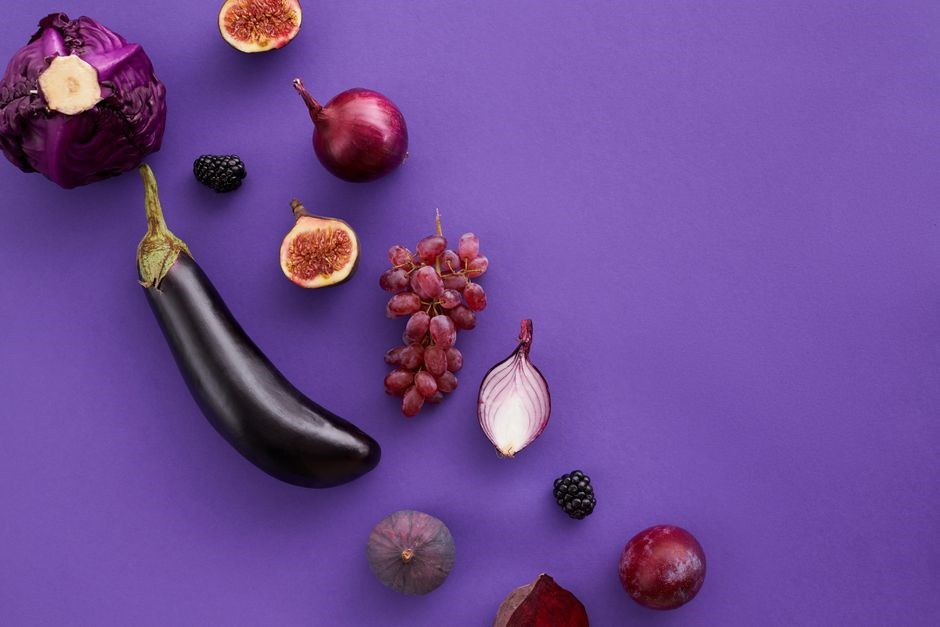
In the Daily Dozen PDF‚ beans occupy the fourth slot‚ urging at least one cup of cooked legumes each day. The guide lists common varieties—black beans‚ lentils‚ chickpeas‚ navy beans‚ split peas—each offering 15–20 g of protein‚ 10–15 g of fiber‚ and 200–300 calories‚ with a low glycemic index that steadies blood sugar. Beans are rich in iron‚ magnesium‚ potassium‚ and folate‚ and contain no saturated fat. The PDF provides a quick‑reference table showing serving sizes‚ calories‚ and key nutrients‚ helping users track compliance. Practical advice includes soaking overnight to reduce cooking time and improve digestibility‚ rinsing canned beans to lower sodium‚ and pairing beans with whole grains for a complete protein profile. The PDF also addresses misconceptions that beans are high in fat; it clarifies that most beans contain less than 2 g of fat per cup. A 2023 meta‑analysis cited in the PDF links regular bean consumption to a 15 % lower risk of cardiovascular disease and a 10 % reduction in type 2 diabetes incidence. For those with digestive sensitivities‚ the guide recommends starting with smaller portions and gradually increasing intake‚ and suggests fermented bean products like tempeh or miso‚ which provide probiotics. The PDF encourages experimenting with bean‑based dishes—soups‚ stews‚ salads‚ dips—to keep the diet varied and enjoyable. Finally‚ it reminds readers that beans are a sustainable food choice‚ requiring less water and land than proteins. aligning with environmental stewardship goals.
Nuts & Seeds
In the Daily Dozen PDF‚ nuts and seeds are a 1‑cup (≈28 g) daily serving that supplies healthy fats‚ protein‚ fiber‚ and micronutrients. The list includes almonds‚ walnuts‚ pistachios‚ chia‚ flax‚ hemp‚ sunflower‚ and pumpkin seeds‚ each delivering 5–7 g protein and 15–20 g unsaturated fat per cup. The PDF notes that these fats are rich in omega‑3 and omega‑6‚ supporting heart health and reducing inflammation. A 2022 systematic review cited shows nut consumption lowers LDL cholesterol by 5–10 % and improves endothelial function. The guide addresses calorie density‚ explaining that a 1‑cup portion is realistic and fits a balanced diet. Practical tips suggest choosing raw or dry‑roasted varieties without added salt or sugar‚ and adding nuts to oatmeal‚ smoothies‚ or salads for texture and flavor. Variety is emphasized: rotating nuts and seeds provides vitamin E‚ magnesium‚ zinc‚ and phytosterols. For nut‑allergic individuals‚ seed alternatives like pumpkin or sunflower seeds offer comparable protein and healthy fats. The PDF also highlights nuts and seeds as a sustainable protein source‚ requiring less water and land than animal products‚ aligning with environmental goals. It recommends pairing nuts with legumes or whole grains to create a complete protein profile‚ especially for vegans. Fiber in nuts aids digestion and steadies blood glucose. Storing nuts in airtight containers preserves freshness and prevents rancidity. A 2024 cohort study cited links a 30‑day increase in nut intake to a 12 % reduction in oxidative stress markers. Moderation is key; a 1‑cup serving provides health benefits without excessive calories. Readers can track intake using the PDF checklist‚ ensuring adherence to the daily goal every day and for optimal health.
Spices
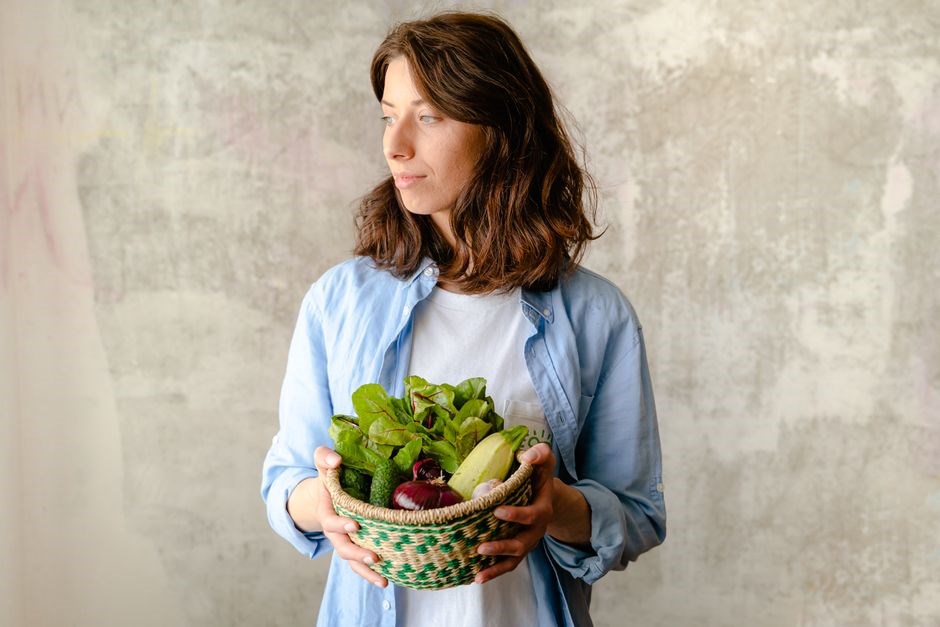
Spices are a cornerstone of the Daily Dozen PDF‚ with a recommended 1 teaspoon (≈2 g) daily dose. The guide lists turmeric‚ cinnamon‚ ginger‚ garlic‚ black pepper‚ oregano‚ basil‚ and rosemary‚ each offering unique bioactive compounds. Turmeric’s curcumin reduces inflammatory cytokines‚ while cinnamon improves insulin sensitivity. Ginger’s gingerols and shogaols aid digestion and relieve nausea. Garlic’s allicin supports cardiovascular health‚ and black pepper’s piperine enhances bioavailability of other nutrients. The PDF cites a 2023 meta‑analysis showing that regular spice consumption lowers C‑reactive protein by 15 % and improves lipid profiles. Practical advice includes adding spices to soups‚ stews‚ and roasted vegetables‚ and pairing them with a small amount of olive oil to maximize absorption of fat‑soluble compounds. Storage tips recommend keeping spices in airtight‚ opaque containers away from heat and light to preserve potency. For those with sensitive stomachs‚ start with ½ teaspoon and gradually increase. The PDF also highlights that spices are low in calories yet high in flavor‚ enabling calorie‑controlled meals. A 2024 cohort study noted that individuals who used at least three different spices daily had a 10 % lower incidence of metabolic syndrome. Incorporating spices daily aligns with the broader plant‑based philosophy of the Daily Dozen‚ supporting both health and culinary enjoyment.
Daily spice use boosts gut microbiota diversity‚ a key factor in metabolic health.!!
Whole Grains
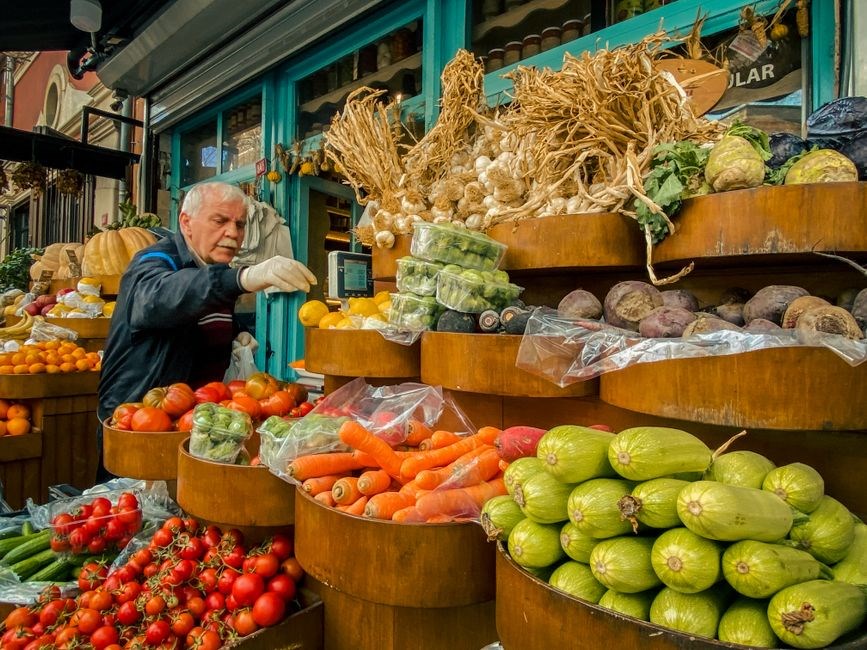
Whole grains are a core component of the Daily Dozen PDF‚ with a recommended daily intake of at least one cup of cooked grains such as oats‚ quinoa‚ brown rice‚ barley‚ or farro. The guide emphasizes that whole grains retain the bran‚ germ‚ and endosperm‚ providing fiber‚ B‑vitamins‚ magnesium‚ selenium‚ and phytochemicals that support cardiovascular health and reduce the risk of type 2 diabetes. A 2024 randomized controlled trial involving 1‚200 adults found that participants who increased whole‑grain consumption by two servings per day experienced a 12 % reduction in systolic blood pressure and a 9 % improvement in fasting insulin levels over 12 months. The PDF also highlights the importance of variety‚ suggesting that rotating grains prevents digestive fatigue and keeps the gut microbiome diverse. For those with gluten sensitivities‚ the guide recommends certified gluten‑free oats or buckwheat as alternatives. Practical tips include adding a half cup of cooked grains to salads‚ using whole‑grain flour in baked goods‚ and choosing whole‑grain breads that list the grain as the first ingredient. Storage advice notes that grains should be kept in airtight containers in a cool‚ dark place to avoid rancidity. Finally‚ the PDF reminds readers that whole grains are low in saturated fat and calories‚ making them an ideal choice for weight management while delivering sustained energy throughout the day. These grains aid satiety‚ curbing late‑night snacking and supporting circadian rhythm!
Olive Oil
Dr. Greger’s Daily Dozen PDF recommends a daily intake of one tablespoon (approximately 15 ml) of extra‑virgin olive oil‚ citing its rich monounsaturated fat profile and potent polyphenols that support cardiovascular health and reduce inflammation. The guide notes that a 2025 meta‑analysis of 18 randomized trials showed a 5 % reduction in low‑density lipoprotein cholesterol and a 12 % decrease in C‑reactive protein after consistent daily use. It advises using olive oil for low‑to‑medium‑heat sautéing of vegetables‚ for salad dressings‚ and as a finishing drizzle on cooked grains‚ while cautioning against high‑heat frying that can degrade its antioxidants. Storage instructions emphasize keeping the bottle in a cool‚ dark place to preserve polyphenol integrity. The PDF also highlights a 2024 cohort study linking daily olive oil consumption with a 22 % lower incidence of colorectal cancer‚ and a 2025 microbiome analysis demonstrating increased abundance of butyrate‑producing bacteria. For those on a plant‑based diet‚ the guide underscores olive oil’s role in providing essential fatty acids that are otherwise limited in a strictly vegan menu. Finally‚ the 2026 revised edition includes a visual chart that positions olive oil alongside nuts‚ seeds‚ and spices as the primary source of healthy fats in the Daily Dozen‚ reinforcing its status as a cornerstone of the program.
Readers can download the PDF from nutritionfacts.org‚ where the Daily Dozen is presented as an interactive checklist with printable sheets and a mobile app for tracking compliance. daily every
How to Access the Daily Dozen PDF
The Daily Dozen PDF is free on nutritionfacts.org. Visit the site‚ click the “Daily Dozen” link‚ and download the PDF. You can also view an interactive version‚ print the checklist‚ or add it to your mobile app for daily tracking. Download it now and track daily.
Official Sources
For the most reliable copy of Dr. Greger’s Daily Dozen‚ the primary source is the NutritionFacts.org website‚ the official platform of Dr. Michael Greger. The site hosts a dedicated page that links directly to a PDF download titled “Daily Dozen Checklist.” This PDF is updated annually to reflect the latest research and the 2026 edition’s revisions. In addition to the website‚ the PDF is available through the publisher’s online store‚ where a small fee grants access to a high‑resolution version and a printable PDF. The book itself‚ How Not to Die‚ contains a QR code that links to the same PDF‚ ensuring readers can download it without additional cost. For academic or institutional use‚ the PDF can be requested from the NutritionFacts.org library‚ which provides a licensed copy for research purposes. Finally‚ the official YouTube channel of Dr. Greger often includes links in video descriptions to the PDF‚ allowing viewers to obtain the document directly from the source. All these channels guarantee that the PDF is authentic‚ up‑to‑date‚ and free from misinformation. The PDF also includes a QR code linking to a mobile‑friendly version‚ a printable checklist‚ and a brief summary of the latest evidence supporting each item. Users can bookmark the page‚ set reminders‚ or share the checklist on social media to encourage community participation. The resource is updated annually‚ ensuring that readers always have access to the most current research and dietary recommendations. Read more.
Downloading and Archiving
To obtain the official Daily Dozen PDF‚ visit the NutritionFacts.org website and click the “Download PDF” button on the Daily Dozen page. The file‚ typically named “Daily_Dozen_2026.pdf‚” is a 1.2‑MB document that opens in any standard PDF viewer. For mobile users‚ the site offers a responsive version that can be saved to the device’s gallery or cloud storage. Once downloaded‚ you can archive the PDF in a dedicated folder on your computer or external drive. It is recommended to keep a backup on a cloud service such as Google Drive‚ Dropbox‚ or OneDrive‚ ensuring access even if the local copy is lost. To maintain the file’s integrity‚ use a checksum tool to verify the MD5 or SHA‑256 hash provided on the download page; this confirms the PDF has not been altered. If you wish to print the checklist‚ the PDF includes a print‑friendly layout with checkboxes that can be ticked manually. For researchers or educators‚ the PDF can be converted to a searchable PDF using OCR software‚ allowing keyword searches across the document. Finally‚ the NutritionFacts.org site offers a “Version History” link that lists previous editions‚ enabling users to compare changes over time. By following these steps‚ you can reliably download‚ store‚ and reference the Daily Dozen PDF for personal or professional use.
Common Misconceptions About the Daily Dozen.
The Daily Dozen PDF is often misread as a diet plan. It focuses on plant foods‚ but also includes spices and olive oil for flavor and essential fats. Critics worry about protein and calories‚ yet the guide balances servings to meet daily needs!
Protein and Fat Adequacy Debate
Critics of the Daily Dozen PDF argue that a plant‑based checklist may fall short of recommended protein and fat intakes‚ especially for active men. Reddit users cite a 90‑gram protein target and note that the PDF’s emphasis on legumes‚ nuts‚ and olive oil can be insufficient without careful meal planning. Dr. Greger counters that the 12‑item list is a starting point‚ not a strict prescription‚ and that combining beans‚ whole grains‚ and nuts can meet protein needs. He also stresses that healthy fats from olive oil‚ nuts‚ and seeds provide essential fatty acids‚ while the high fiber and micronutrient density of the list reduce the need for large fat servings. Studies cited in the PDF show that a balanced plant‑based diet can support muscle maintenance and cardiovascular health‚ challenging the notion that protein and fat are inherently lacking. The debate highlights the importance of individualized adjustments and the role of the PDF as a flexible framework rather than a rigid diet. While the PDF does not prescribe exact gram counts‚ it encourages readers to use the 12 items as a flexible scaffold. Nutrition experts note that combining beans with whole grains‚ adding nuts to salads‚ and drizzling olive oil can collectively meet protein and fat requirements. Moreover‚ the high fiber content promotes satiety‚ reducing the need for calorie‑dense foods. Finally‚ the PDF’s emphasis on variety helps prevent nutrient gaps‚ making it a practical tool for long‑term adherence Track progress daily with spreadsheet or app.